Aluminum vs Cast Iron Engine Blocks: Differences and Problems
The engine block is the core part of any car. When engineers build a car, they must choose between two main materials: aluminum and cast iron. Both materials have unique features, benefits, and common issues. In this article, we will compare aluminum vs cast iron engine blocks in simple terms to help you understand which one is better for different types of vehicles.
The Main Difference Between Aluminum and Cast Iron Blocks
The main difference between these two materials is the balance of weight and strength. Aluminum blocks are very light and cool down quickly, making them popular for modern cars. Cast iron blocks are heavy but extremely strong, making them great for heavy trucks and high-power engines. Let us look at each material in detail.
All About Aluminum Engine Blocks
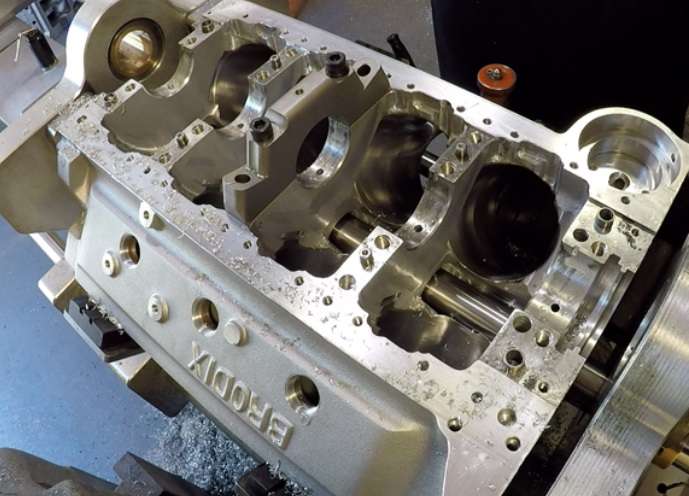
Most modern daily cars use aluminum blocks. Manufacturers use aluminum alloys mixed with silicon, magnesium, or copper. This mixture makes the metal stronger while keeping it very light.
Where Are They Used?
You can find aluminum blocks in standard passenger cars, city SUVs, and sports cars. These vehicles need to be light to save fuel and move quickly.
Pros of Aluminum Blocks
- Light Weight: Aluminum blocks are much lighter than iron ones. A lighter car uses less fuel and handles corners much better.
- Great Cooling: Aluminum transfers heat very quickly. The engine warms up fast in winter and cools down easily in summer.
- Better Balance: Less weight in the front of the car improves the overall balance of the vehicle.
Cons and Common Problems
Aluminum is a soft metal. Because of this, it cannot handle extreme heat or friction. If the engine overheats, the block can warp or bend easily. Once it warps, fixing it is very hard and expensive. Also, the bolt threads in aluminum can strip or break under high pressure.
Cylinder Wall Technologies
Piston rings cannot rub directly against soft aluminum walls because they would destroy the engine. To solve this, car makers use special technologies:
- Cast Iron Sleeves: Thin iron tubes are placed inside the aluminum cylinders. This is a highly reliable method used by many brands. You can read more about how shops install and finish these sleeves on the Engine Builder Magazine guide.
- Nikasil Coating: A very thin layer of nickel and silicon carbide is sprayed onto the walls. It works well but can be destroyed by bad fuel that contains too much sulfur.
- Alusil Technology: The block is made of a high-silicon alloy. The walls are treated with acid to expose hard silicon crystals.
The Engineering Secret: How is Aluminum So Much Lighter?
If you look at the science of metals, pure cast iron is about 2.7 times heavier than pure aluminum. However, because aluminum is a softer metal, engineers must make the walls of an aluminum block much thicker. They also add heavy iron sleeves inside. So, how does an aluminum block still end up being 2 to 3 times lighter than an iron one? The answer lies in clever modern engineering.
1. The “Open Deck” Design
Cast iron blocks usually have a “Closed Deck” design. This means the top of the block is a solid, heavy metal plate with small holes for the coolant fluid. Aluminum engines use an “Open Deck” design. In this setup, the cylinders stand in an open pool of coolant. Removing the top solid metal plate eliminates kilograms of heavy material from the engine.
2. Replacing Metal with Empty Space
Engineers design aluminum blocks with much larger internal channels for oil and coolant. Aluminum is thicker around these channels, but the channels themselves are wide and empty. Because iron is so heavy, iron blocks must keep these channels small to save weight. Aluminum allows for bigger pockets of empty space, which displaces heavy metal and lowers the total weight.
3. Computer-Designed Shapes
Today, manufacturers use advanced computer programs to design engines. The computer calculates exactly where the engine feels the most pressure. Engineers make the aluminum thick only in high-pressure spots, such as around the main bearings or head bolts. In areas with no pressure, the aluminum walls are kept extremely thin—just a few millimeters. To keep these thin walls stable, they add tiny, web-like ribs of metal on the outside.
The Weight Balance Sheet
To understand the final weight, look at what adds and subtracts weight in a modern aluminum block:
- Weight Additions: Thicker structural walls and heavy cast iron sleeves add about 15% to 20% more material.
- Weight Reductions: The open top design removes 20% of the metal volume. Large cooling pockets and paper-thin outer walls with ribs remove even more mass.
Because the aluminum block is hollower, more complex, and highly optimized by computers, it successfully keeps its 2x to 3x weight advantage over old-school cast iron blocks.
All About Cast Iron Engine Blocks
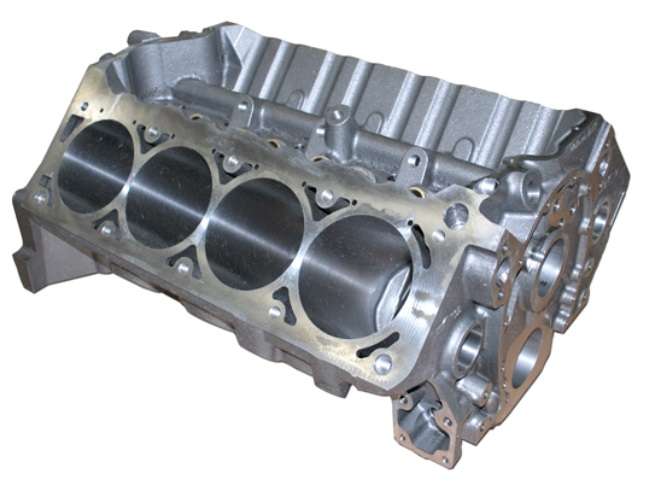
Cast iron is the traditional material for car engines. It is a mix of iron and carbon. To make it even tougher, engineers add small amounts of chromium, nickel, or molybdenum.
Where Are They Used?
Cast iron blocks are the standard choice for heavy-duty trucks, commercial vehicles, and diesel machinery. They are also highly loved by car tuners who want to build extreme turbo cars with thousands of horsepower.
Pros of Cast Iron Blocks
- Extreme Strength: Cast iron can handle incredible pressure and high turbo boost without breaking.
- High Repairability: If the cylinder walls get scratched, a mechanic can easily bore the cylinders to a larger size or insert a new sleeve.
- Low Noise and Vibration: Heavy iron absorbs sounds and engine vibrations much better than light aluminum.
- Heat Resistance: It does not warp easily even if the engine gets very hot.
Cons and Common Problems
The biggest problem with cast iron is its heavy weight. An iron block can be two to three times heavier than an aluminum one. This extra weight increases fuel consumption. Iron blocks also take a long time to warm up. Additionally, if you use bad coolant or water, the internal water channels can rust over time.
Quick Comparison: Aluminum vs Cast Iron
To help you choose, here is a simple comparison table of both engine block types:
| Feature | Aluminum Block | Cast Iron Block |
|---|---|---|
| Weight | Very Light | Very Heavy |
| Cooling Speed | Fast | Slow |
| Strength | Medium | Extremely High |
| Repair Cost | High / Hard to fix | Low / Easy to fix |
| Best For | Daily cars & Fuel economy | Trucks, Diesels & Tuning |
Which One is Better For You?
If you buy a modern commuter car to drive around the city and save fuel, an aluminum engine block is the perfect option. It helps the car run efficiently and heats up fast in the morning.
However, if you need a vehicle for pulling heavy loads, working all day, or if you plan to increase the engine power significantly, choose a cast iron engine block. For more technical details on engine repair and honing cylinder walls, check out the specialized restoration tips on Performance Racing Engine.