Aluminum Alloys in Bridge Construction
Bridges are essential for modern transportation. For centuries, engineers built them using stone, wood, concrete, and steel. Today, a new material is changing the industry: aluminum alloys.
Using aluminum alloys in bridge construction is becoming highly popular worldwide. This lightweight and durable metal helps engineers build stronger, longer-lasting structures. In this article, we will explore the history, manufacturing methods, core benefits, and famous global examples of aluminum bridges.
Table of Contents
Why Engineers Choose Aluminum Alloys
Why do modern builders choose aluminum over traditional steel? The answer lies in the unique physical and chemical properties of aluminum alloys. Here are the main benefits:
- Light Weight: Aluminum is about three times lighter than steel, reducing the total load on the bridge foundations and making transportation easier.
- Extreme Corrosion Resistance: Aluminum naturally creates a protective oxide layer. It does not rust, meaning an aluminum bridge can last for decades without protective paint.
- Cold Temperature Strength: Unlike carbon steel which becomes brittle, aluminum alloys become stronger and more ductile in freezing temperatures.
- Fast Installation: Because aluminum parts are light and modular, workers can assemble a pedestrian bridge over a highway in just a few hours.
Key Manufacturing Methods: Extrusion and Welding
The success of aluminum alloys in bridge construction heavily depends on how the metal is shaped and joined together. Two advanced manufacturing techniques make these structures possible:
1. Profile Extrusion
Extrusion is the process of forcing hot aluminum billets through a shaped steel die. This technique allows manufacturers to create complex, hollow, long-length profiles that are impossible to make with steel.
According to structural research on ScienceDirect Topics, extrusion allows engineers to place the metal exactly where it is needed to carry the highest tensile and compressive stresses. In bridge building, extrusion is used to create single-piece orthotropic decks. These decks integrate both the driving surface and the internal support ribs into one seamless component, maximizing material efficiency.
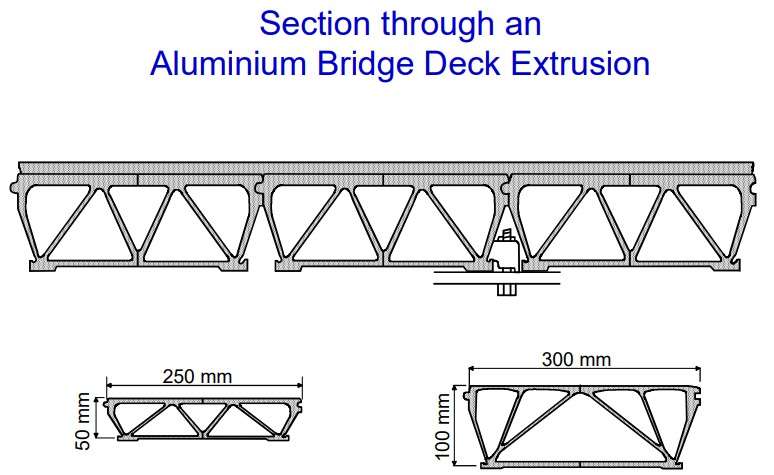
Figure 1 – Section through an Aluminium Bridge Deck Extrusion [TALAT 2701]
2. Advanced Welding: Friction Stir Welding (FSW)
Joining aluminum elements traditionally relied on rivets or standard fusion welding (like MIG or TIG). However, intense heat from traditional welding can weaken the heat-affected zone of aluminum. Today, the industry is transitioning to Friction Stir Welding (FSW).
As detailed by engineering studies published via MDPI Metals, FSW is a solid-state joining process. Instead of melting the metal, a non-consumable rotating tool steps along the joint line. The friction creates heat, softens the aluminum, and mechanically stirs the two pieces together.
Because the material never melts, FSW eliminates typical welding defects like porosity and solidification cracks. This solid-state method provides superior fatigue resistance under heavy traffic loads. This advancement is so significant that international design standards, including the European standard Eurocode 9 (EN 1999), explicitly incorporate structural calculations for FSW connections.
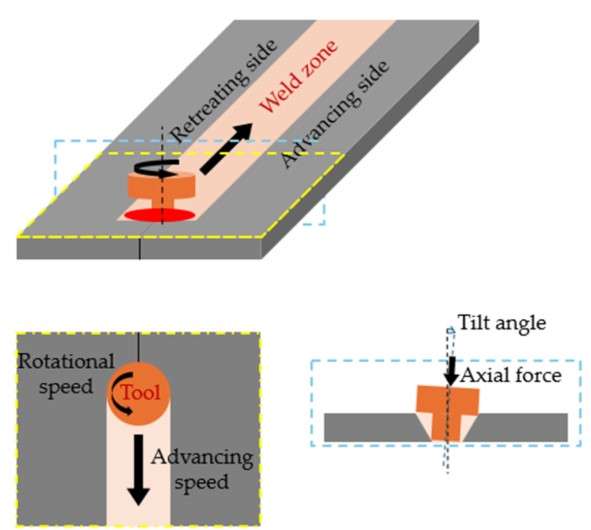
Figure 2 – Schematic of the FSW process [MDPI Metals]
A Brief History of Aluminum Bridges
The history of aluminum alloys in bridge construction dates back nearly a century. The first major experiment happened in the United States in 1933. Engineers replaced the heavy steel deck of the Smithfield Street Bridge in Pittsburgh with aluminum. This simple upgrade reduced the bridge’s weight by 675 tons, extending its operational lifespan.
After World War II, the aluminum industry grew rapidly. Technology advanced, and factories began creating stronger alloys specifically for heavy construction. The 1940s and 1950s marked the birth of the first fully aluminum bridges.
Famous Global Examples: Canada, Germany, and China
Different countries have adopted aluminum bridge technology in unique ways. Let’s look at three leading examples of international success.
Canada: The Arvida Bridge
Canada is a pioneer in this field. In 1950, the city of Saguenay in Quebec opened the Arvida Bridge. It spans across the Saguenay River and is the world’s first large, fully aluminum highway bridge.
The bridge is 153 meters long and weighs only 163 tons. A steel bridge of the same size would weigh around 400 tons. After decades of freezing Canadian winters, the Arvida Bridge remains strong and free from rust, proving the incredible durability of the metal.
Germany: Quick Modular Systems
Germany focuses on high-tech engineering and smart infrastructure. German companies lead the market in modular, quick-to-build aluminum bridges.
These bridges are widely used for encounters over busy Autobahns (highways). German engineers use complex extrusion methods to create hollow profiles that fit together perfectly, assembling them quickly without stopping traffic for long periods.
China: Massive Pedestrian Networks
China is a newer player but has quickly broken records. The country began building aluminum bridges in 2007, starting with the Qingchun Road pedestrian bridge in Hangzhou.
Soon after, China began designing its own large-scale projects using local 6061-T6 aluminum alloys. During the Beijing Olympics era, the country built the Dong Dan pedestrian bridge. It features a 52-meter clear aluminum span, making it one of the longest in Asia. Today, major Chinese cities regularly replace old concrete bridges with aluminum to save urban space and reduce maintenance costs.
Quick Comparison of Global Practices
| Country | Primary Focus | Key Alloy Used |
|---|---|---|
| Canada | Heavy highway bridges and regional infrastructure | 2000 & 6000 Series |
| Germany | Modular systems, fast-assembly pedestrian bridges | Al-Mg-Si (6000 Series) |
| China | Massive urban pedestrian bridge networks | 6061-T6 & High-Strength Alloys |
The Future of Aluminum Bridge Infrastructure
The main challenge holding aluminum back is the initial cost. Raw aluminum is more expensive than standard carbon steel. However, engineers look at the Life Cycle Cost (LCC). Because aluminum requires no painting, fewer repairs, and lasts longer, it is often cheaper over 30 or 50 years.
Additionally, aluminum is 100% recyclable. When a bridge reaches the end of its life, the metal can be melted down and used again without losing its quality. This makes it an incredibly eco-friendly choice for green city planning.
Conclusion
The role of aluminum alloys in bridge construction will keep growing. From the historic Arvida Bridge in Canada to the modern pedestrian networks in China, this metal proves its value every day. By reducing maintenance costs, surviving extreme weather, and protecting the environment, aluminum is truly the building material of the future.