What Are Streaking Defects in Anodized Aluminum
Streaking is a major problem that makes the surface of anodized aluminum look uneven. It happens because the metal structure inside the aluminum is not uniform. When the metal is etched, different areas react differently. This creates visible lines or bands with different levels of brightness and shine.
3 Main Categories of Streaking
Streaking defects usually come from three main sources:
- Billet structure streaks: These come from surface problems or poor metal quality in the original aluminum log (billet).
- Extrusion process streaks: These happen because of wrong machine settings or errors during extrusion.
- Die design streaks: These are caused by the shape of the die, especially where the aluminum profile changes thickness.
1 Billet Defects
- Segregational streaks: This happens when the metal elements inside the aluminum log do not mix evenly during casting.
- Intermetallic particles: Small clusters of impurities get trapped in the aluminum due to poor filtering.
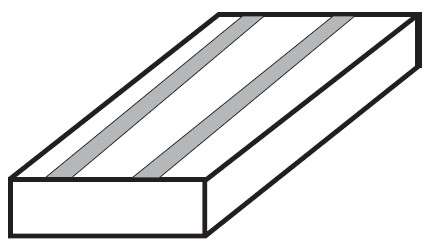
2 Extrusion Process Defects
- Shell-zone and Back-end defects: Outer oxide layers or impurities from the back of the aluminum log get pushed into the final product.
- Die lines: Long, straight lines or grooves caused by dirt, scratches, or damage on the mold surface.
- Longitudinal and Transverse welds: Visible lines or dark V-shaped marks that form where separate streams of hot metal join together inside the mold.
- Carbon marking: Dark lines that appear when hot aluminum rubs against carbon blocks on the cooling table, changing how the metal cools down.
3 Die Design (Structural) Defects
This type of streaking happens when a change in the aluminum profile’s thickness alters the speed of the metal flow. This changes the grain structure and makes the surface look different after anodizing.
Why Do Streaking Defects Look Different?
The main reason you see streaks is because they have a different level of gloss (shine) compared to the normal surface. Defective areas are usually rougher, so they scatter light and look matte. Because the anodized oxide layer is completely transparent, it shows the exact texture of the underlying metal.