Shaft Melting Furnace for Aluminum: Pros, Cons & Uses
Aluminum is one of the most useful metals in the world. To use it, factories must first melt it down. Choosing the right industrial furnace is very important for saving money and energy. A shaft melting furnace (also known as a tower furnace) is a popular choice for high-volume factories. In this article, we will look at how it works, where factories use it, and its main pros and cons.
What is a Shaft Melting Furnace?
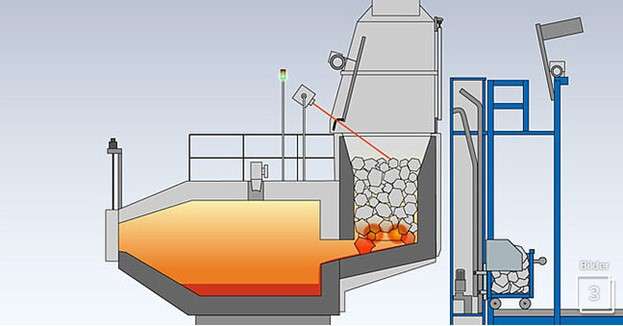
A shaft melting furnace is a tall, vertical furnace. Workers load raw aluminum pieces into the top of the tower. This raw material is called the charge or the burden. Burners at the bottom of the furnace create intense heat.
As the aluminum moves down the shaft, hot gases move up. This process is called counter-current heating. The rising hot gases pre-heat the cold aluminum before it even reaches the melting zone. Once the metal melts, it collects in a holding basin at the bottom, ready for casting.
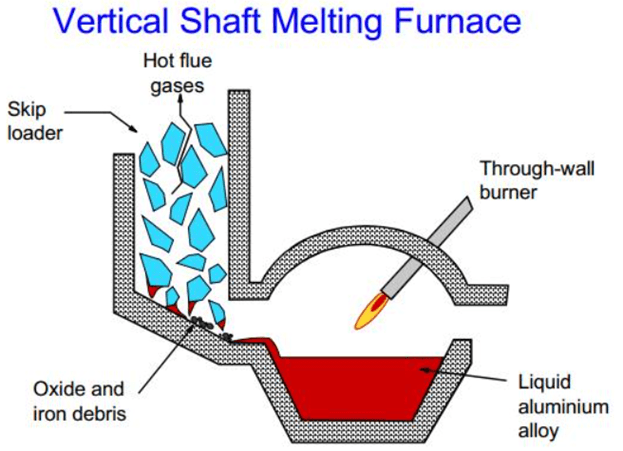
Figure – Simplified diagram of a shaft furnace for melting aluminum (TALAT 3202)
Main Applications: Where is it Used?
Because these machines are big and powerful, they are ideal for continuous, high-volume production. Here are the primary industries that use them:
- Automotive Industry: Car factories use these furnaces to make engine blocks, wheels, and transmission parts. They need a constant stream of liquid metal every single day.
- Large Aluminum Foundries: Big casting facilities use tower furnaces to feed liquid aluminum into smaller holding furnaces or automatic casting lines.
- Primary Ingot Processing: Facilities that melt pure aluminum ingots and heavy industrial scrap metal use this technology to prepare metal for long production runs.
- Extrusion and Rolling Mills: Factories that make aluminum profiles, sheets, and foils use them to melt raw materials before casting them into large billets.
Advantages of Shaft Melting Furnaces
Why do so many large factories invest in this technology? Here are the key benefits:
1. High Thermal Efficiency
Standard furnaces let hot exhaust gases escape into the air. A shaft furnace uses these gases to heat up the incoming cold metal. This smart reuse of heat makes it one of the most energy-efficient options available.
2. Low Fuel Consumption
Because the furnace saves heat, it requires much less natural gas or fuel oil. This lowers the energy bills for the factory and reduces carbon emissions.
3. Low Metal Loss (Burn-Off)
When aluminum stays in contact with oxygen for a long time while hot, it burns away into waste called dross. In a tower furnace, the aluminum melts very quickly at the bottom. The metal loss is usually less than 1.5%, which saves a lot of money.
4. Continuous Production
Unlike batch furnaces that must be filled, heated, and emptied one turn at a time, a shaft furnace can run continuously. You can add raw material to the top while taking liquid metal from the bottom.
Disadvantages of Shaft Melting Furnaces
While these machines are highly efficient, they are not perfect for every factory. Here are the limitations:
1. Strict Raw Material Requirements
You can only load heavy aluminum ingots and thick, clean scrap metal into the tower. You cannot use light scrap like soda cans or aluminum chips from machining. Small pieces will burn up into ash instantly due to the strong upward draft of gas.
2. High Maintenance Costs
Heavy pieces of aluminum constantly scrape against the inside walls of the vertical shaft as they slide down. This causes heavy wear and tear on the internal bricks (refractory lining). Repairing these special bricks is expensive and requires downtime.
3. Difficult to Change Alloys
If your factory needs to switch from one aluminum alloy to a completely different type, you must completely empty and clean the entire furnace. This takes a lot of time. Therefore, these furnaces are bad for businesses that change metal recipes frequently.
4. Huge Space Requirements
Because they are vertical towers, they require very high factory ceilings. You also need to install automated elevators (skip hoists) to carry raw metal up to the roof for loading.
Shaft Furnace vs. Reverberatory Furnace
To help you understand the differences, here is a quick look at how shaft furnaces compare to traditional reverberatory (flat-bed) furnaces:
| Feature | Shaft Furnace | Reverberatory Furnace |
|---|---|---|
| Energy Efficiency | Very High (Uses exhaust heat) | Medium to Low |
| Best Raw Material | Heavy ingots, clean thick scrap | All sizes, including light chips/cans |
| Alloy Flexibility | Low (Best for one single alloy) | High (Easy to empty and change) |
| Initial Cost | Very High | Medium |
Conclusion
A shaft melting furnace is an excellent investment for big foundries that produce massive amounts of the same aluminum alloy every day. It saves energy, burns less fuel, and minimizes metal waste. However, if your factory is small, works with light scrap metal, or needs to change metal recipes often, a traditional batch furnace might be a better choice.