Aluminum Alloys in Space Technology: The Short Guide
Aluminum alloys, particularly the 2xxx and 7xxx series, are essential in space technology for their superior strength-to-weight ratio, cryogenic performance, and durability. Advanced materials like AA 2195 aluminum-lithium are utilized in major projects such as NASA’s Space Launch System to significantly reduce weight, while AA 7075 is crucial for high-impact applications like rover components.
Space travel is a very difficult challenge for engineers. Rocket launch vehicles and spacecraft must endure extreme forces during takeoff. Once they are in orbit, they face freezing cold, intense heat, and vacuum environments. To survive these conditions without breaking, engineers must select the right materials. For many decades, the top choice has been aluminum.
Today, aluminum alloys make up more than 60% of the dry weight of most launch vehicles. This guide explains why aluminum alloys in space systems are so important, which specific types are used, and how they help humans explore the solar system.
Why Engineers Choose Aluminum Alloys in Space
Gold, steel, and titanium are all useful, but aluminum provides a perfect balance of properties for aerospace design. The most important reasons to use aluminum alloys include:
-
- High Strength-to-Weight Ratio: Space missions are expensive. Every extra kilogram requires more fuel to launch. Aluminum is very light but can become exceptionally strong when mixed with other metals.
- Cryogenic Stability: Liquid oxygen and liquid hydrogen fuels are incredibly cold. Many materials become brittle and shatter at these temperatures. Aluminum alloys actually become stronger and retain their flexibility in deep cold.
- Good Workability: Engineers can easily shape, machine, and weld aluminum into giant rocket fuel tanks or complex satellite shells.
- Electrical and Thermal Conductivity: Aluminum helps manage the heat generated by onboard electronics and safely disperses electrical charges from solar radiation.
Key Families of Space-Grade Aluminum Alloys
Pure aluminum is too soft for aerospace structural needs. Metallurgists mix it with elements like copper, zinc, magnesium, and lithium to create specialized alloy families. Global engineering standards, like those from The Aluminum Association, categorize these metals into distinct series.
The 2xxx Series: Aluminum-Copper Alloys
The 2xxx series uses copper as the main alloying element. These materials are famous for their excellent strength over a wide temperature range. A premier example is AA 2219. It can handle extreme cryogenic cold and high heat. For this reason, engineers use it to build fuel tanks for liquid propellants. It also offers great weldability when using modern manufacturing methods.
The 7xxx Series: Aluminum-Zinc Alloys
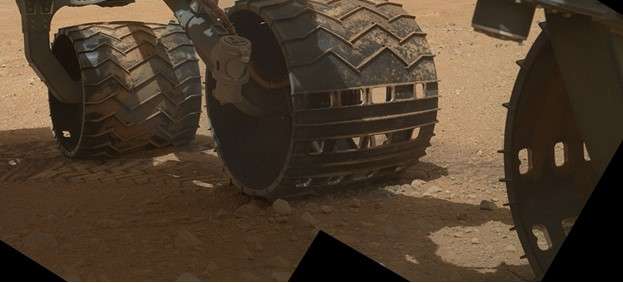
When engineers need the maximum possible structural strength, they choose the 7xxx series, which relies on zinc. AA 7075 is one of the strongest aluminum alloys available on the commercial market. It has excellent resistance to mechanical stress. However, it is harder to weld than the 2xxx series. Because of this, it is usually joined using mechanical fasteners or used in solid machined parts like internal supports, structural frames, and planetary rover wheels.

Figure 1 – Curiosity rover wheel made of 7075-T7351 aluminum alloy on Earth
The Revolution of Aluminum-Lithium (Al-Li) Alloys
Aluminum-lithium alloys represent a major modern advancement. Lithium is the lightest metal element on Earth. Adding just 1% of lithium to an aluminum alloy reduces its overall density by roughly 3% and increases its stiffness by 6%. This allows engineers to build much lighter hulls. The most famous variant is AA 2195, which delivers incredible weight reduction for high-performance launch vehicles.
Global Applications in Rocketry and Satellites
Different parts of a spacecraft require different material properties. Below is a breakdown of where these metals are used in prominent global space hardware:
-
- NASA Space Launch System (SLS): The core stage of this massive moon rocket relies heavily on AA 2195 and AA 2219. These alloys form the enormous liquid hydrogen and liquid oxygen tanks. You can read detailed engineering papers about these structures on the NASA Technical Reports Server.
- SpaceX Falcon 9: The flight tanks and structures of the Falcon 9 rocket utilize advanced aluminum-lithium alloys to maintain structural integrity while making the rocket light enough to achieve vertical landings and reuse.
- International Spaceflight Satellites: The main structural buses, electronic boxes, and solar panel frames of modern communication satellites are typically built from AA 6061 or AA 7075 to protect delicate payloads from space debris.
Technical Comparison of Aerospace Alloys
The following table shows the differences in composition, properties, and direct use cases for the world’s most common space-grade aluminum materials:
| Alloy Grade | Main Elements | Primary Benefit | Common Space Application |
|---|---|---|---|
| AA 2219 | Copper (Cu) | Cryogenic strength, excellent weldability | Liquid propellant fuel tanks |
| AA 7075 | Zinc (Zn), Magnesium (Mg) | Extreme tensile strength and hardness | Machined structural brackets, rover parts |
| AA 2195 | Lithium (Li), Copper (Cu) | Ultra-low density, very high stiffness | Modern rocket hulls and core stages |
| AA 6061 | Magnesium (Mg), Silicon (Si) | High corrosion resistance, easy to shape | Satellite internal frames, instrument boxes |
Advanced Manufacturing and Engineering Standards
To ensure safety, space agencies must follow strict material standards. Organizations like the European Cooperation for Space Standardization (ECSS) and NASA publish rigorous testing guidelines. These rules guarantee that aluminum elements do not fail due to stress corrosion cracking or sudden temperature shocks in orbit.
Furthermore, new manufacturing methods have changed how aluminum is used. Friction Stir Welding (FSW) is a process that joins metal sheets together without melting them. This technique keeps the metal strong at the joints. It is widely used by companies like Boeing, SpaceX, and Blue Origin to assemble massive aerospace structures from high-strength aluminum-lithium panels without adding heavy bolts or rivets.
Summary
Aluminum alloys remain irreplaceable in space technology. By blending aluminum with copper, zinc, and lithium, global aerospace engineers have developed materials that can handle the extreme environments of rocket launches and deep space. As humanity builds larger rockets to travel to the Moon and Mars, aluminum will continue to serve as the structural foundation for our journey into the stars.